Page content
Resize textResize textResize text largerEmail pagePrint pageShare this page
View related multimedia and links

Gunsmith

Many trade skills required for gunsmith

Colonial gunsmithing required the skills of a blacksmith, whitesmith, founder, and woodworker to build a gun. A finished weapon required fine detail work on iron and steel, the carving of decorative designs, hammering and casting brass and silver into complex shapes, and engraving hard and soft metals. These skills were usually learned in an apprenticeship lasting five to seven years. A male youth began his apprenticeship between the ages of 12 and 14 years and completed it by the time he was 21.

Colonial gunsmiths mainly performed repair work

Because imported firearms were cheaper than those made in Williamsburg – typical of many goods in colonial America – the gunsmith mainly repaired arms and other objects. Gunsmiths often repaired axes and other items made by blacksmiths, cast shoe buckles and other items like bells, and sometimes repaired silver objects.

Colonial Williamsburg gunsmithing

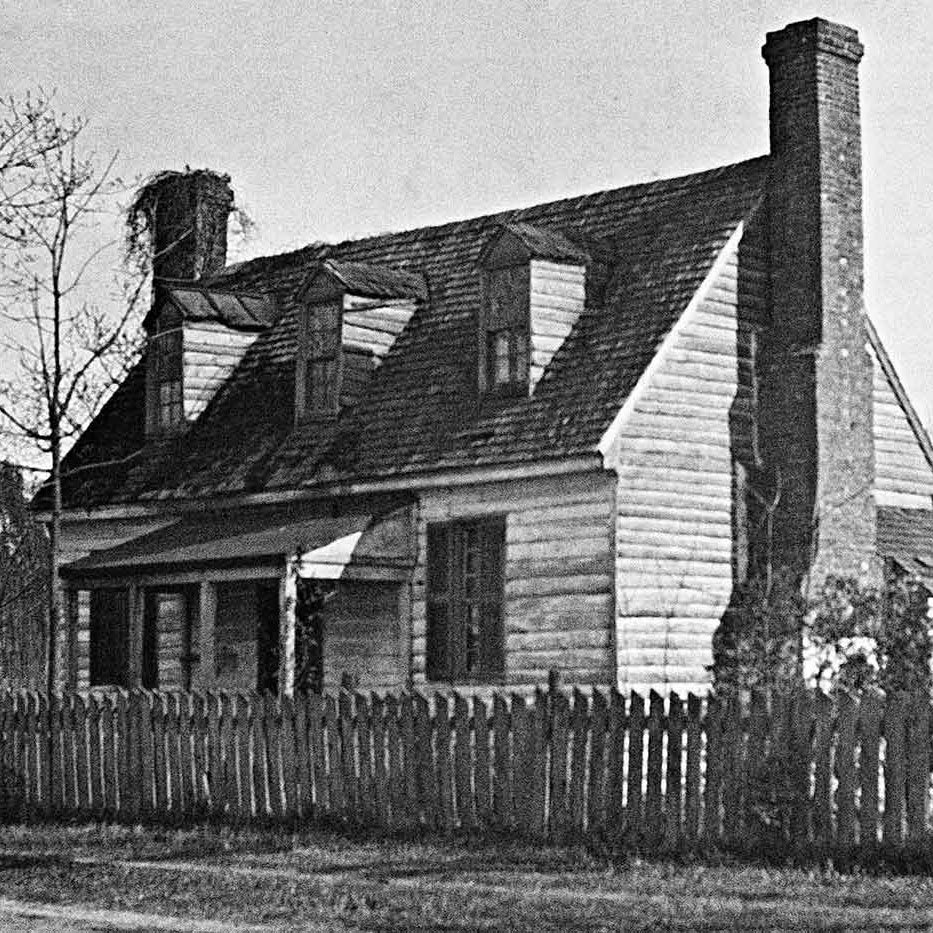
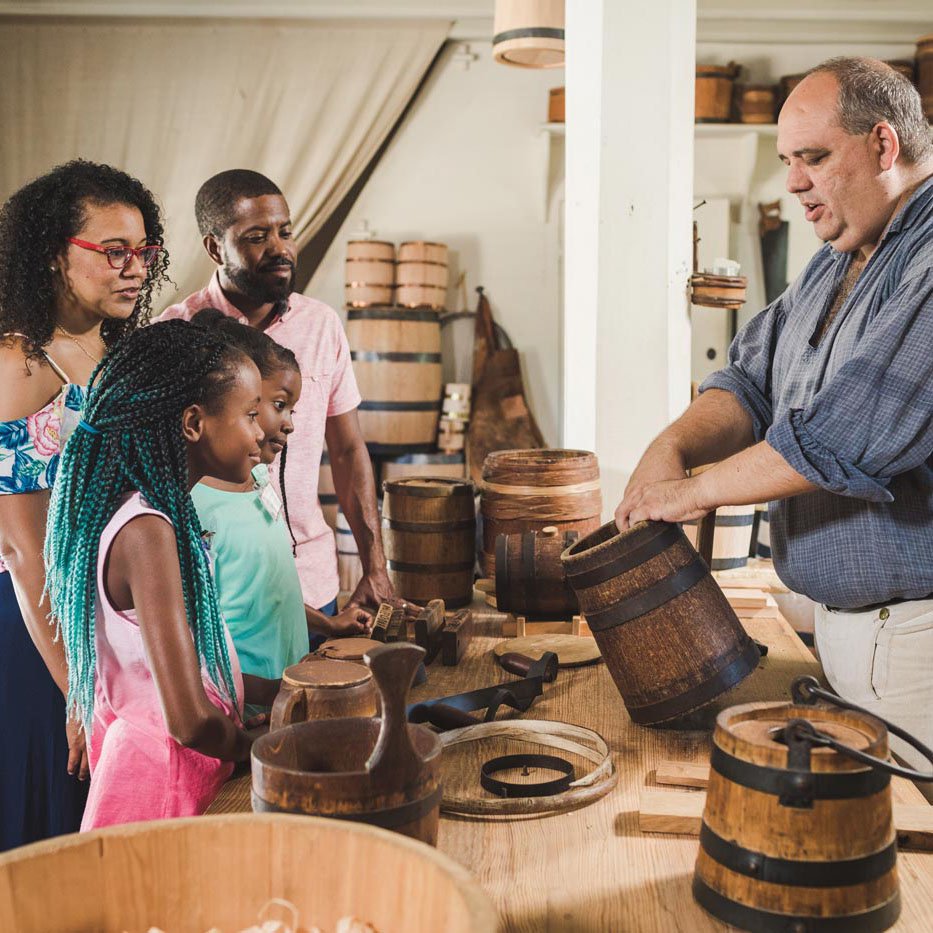
Today, gunsmiths demonstrate their trade and interpret at the James Geddy site in the middle of the Historic Area, practicing their trade alongside the brass founders and pewterers in a historically accurate setting. During the 18th century, the Geddys were gunsmiths, blacksmiths, founders, and silversmiths.

A gunsmith performs detail work on the stock of an American long rifle.

A gunsmith’s precision work

Gunsmiths work on the barrel of a rifle at the outdoor 
              forge.

Beauty in the details

Inside the Gunsmith Shop, interpreters work on building a new rifle.

Tools of the gunsmith


Multimedia and related links

  • slideshows
  • podcasts
  • interactive icon
  • downloads
  • videos
  • audio